
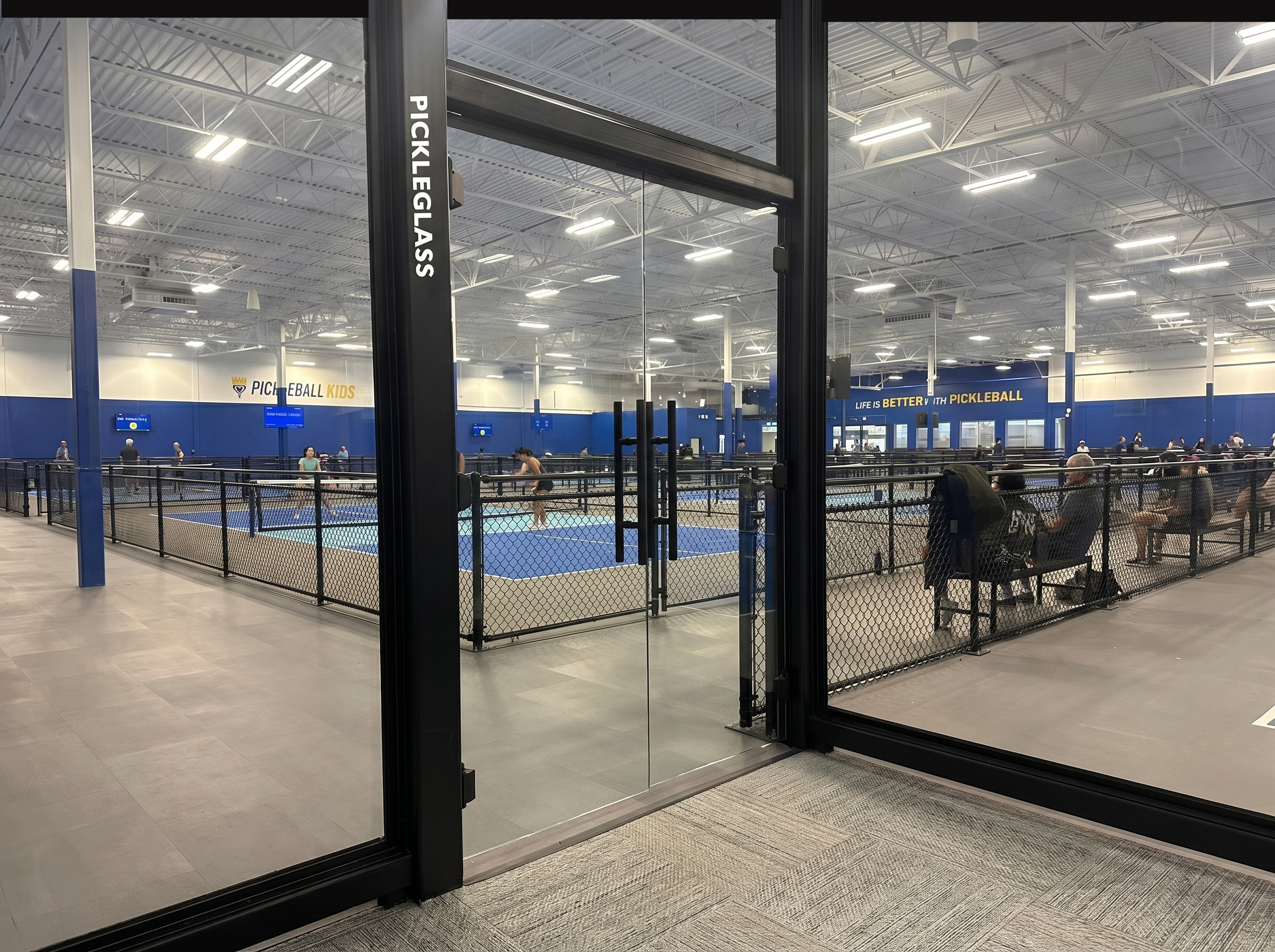
Pickleball courts can be profitable, and many multi-court facilities operate at a healthy margin, but profitability is earned through utilization, programming, and cost discipline rather than guaranteed by the sport’s popularity. A court sitting empty costs money; a court booked with paid play, lessons, and league nights generates it. The operators who do well treat courts as revenue-producing infrastructure and plan the economics before the first slab is poured.
This guide walks through how pickleball facilities make money, what they spend, and the factors that decide whether the numbers work. The figures below are planning ranges meant to frame the decision, not projections.
How pickleball facilities generate revenue
Most successful facilities stack several revenue streams rather than relying on one:
- Court-time rental and reservations. The base layer. Operators sell blocks of court time by the hour, often with peak and off-peak pricing. Revenue scales with the number of courts, hours of operation, and how full those hours run.
- Memberships and dues. Recurring revenue smooths cash flow. Members pay monthly or annually for access, discounted rates, or priority booking. Clubs and resorts fold pickleball into existing membership tiers.
- Programming. Often the highest-margin category. Lessons, clinics, leagues, ladders, junior camps, and corporate or social events monetize the same courts at a premium and fill otherwise slow daytime hours.
- Ancillary revenue. Food and beverage, a pro shop, equipment rental, and merchandise. At destination facilities, food and beverage can rival court revenue and is a major reason the “eat, drink, and play” format has grown.
The strongest models layer programming and ancillary income on top of rental and membership, so the same court earns from multiple directions.
The utilization math
Court economics come down to a simple chain: number of courts, hours available, price per hour, and the share of those hours actually sold. That last figure, utilization, is the number that makes or breaks a facility.
As an illustration only, a single indoor court open long hours and rented at a typical rate can gross a meaningful annual figure at strong utilization, and a fraction of that at weak utilization. The same court, same price, produces very different results depending on how full it runs. This is why location, programming, and marketing matter as much as the build: they are what convert available hours into sold hours.
Two levers dominate:
- Utilization rate. Peak evenings and weekends fill first. The operators who profit are the ones who also fill weekday daytime hours, usually through leagues, lessons, senior programs, and corporate bookings.
- Revenue per court hour. Programming and events lift the average well above open-play rental. A clinic or a league night earns more per court hour than an open reservation.
The cost side
Profitability is a two-sided equation, and the cost side starts before opening day.
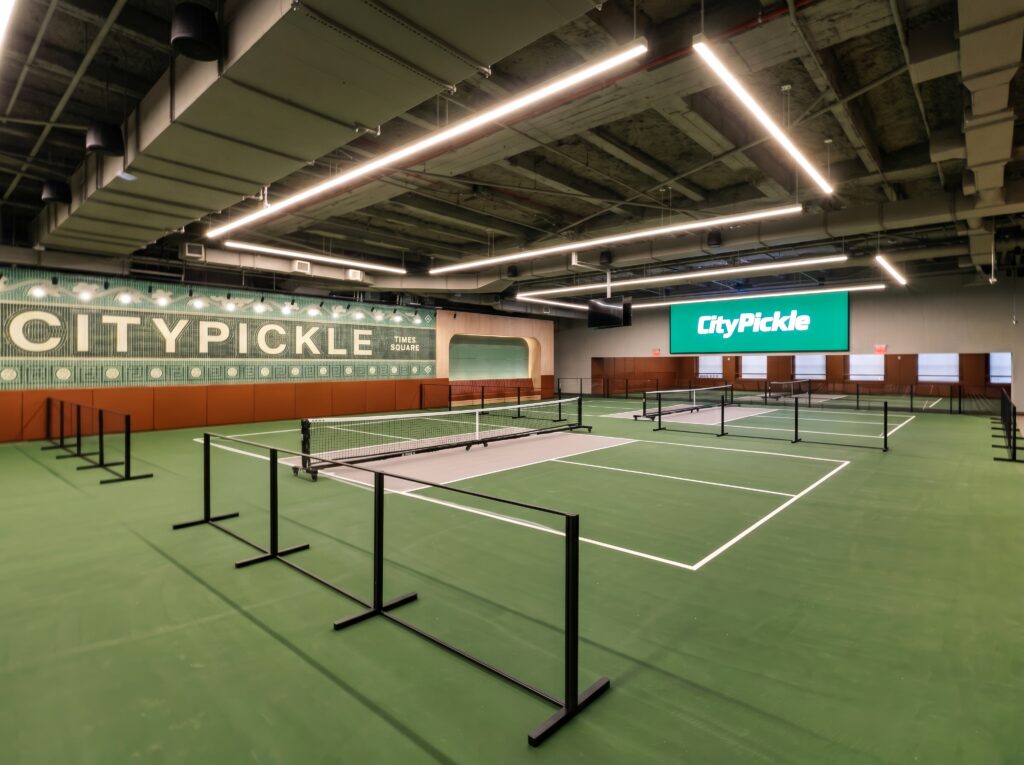
- Build cost. The largest upfront number, driven by court count, site conditions, surface system, enclosure, lighting, and whether the facility is indoor or outdoor. See how much it costs to build a pickleball court for ranges and drivers, and pickleball court construction for what the process involves.
- Operating costs. Staffing, utilities (lighting and, indoors, climate control are significant), insurance, marketing, booking software, and property costs. Staffing deserves special attention: front-desk coverage across long operating hours is one of the largest recurring line items in a court facility’s P&L, and it scales with every hour the facility stays open. Indoor facilities carry higher operating overhead than outdoor courts but sell weatherproof hours year round.
- Maintenance and lifecycle. Ongoing upkeep plus periodic resurfacing. This is modest when planned and expensive when deferred. See pickleball court maintenance for the cadence that protects the asset.
Underwriting a facility means holding all three against the revenue stack and stress-testing utilization, not just the optimistic case.
Indoor versus outdoor economics
The two models trade off differently:
- Outdoor courts cost less to build and less to operate, but revenue is exposed to weather and daylight. Lighting extends the day; climate limits the season in many regions.
- Indoor courts cost more to build and carry climate-control overhead, but they sell reliable, year-round, all-weather hours, which is exactly what supports memberships and structured programming. In much of the country, the indoor model is where consistent utilization, and consistent revenue, is easiest to defend.
Many operators blend the two. The right mix is a facility-planning question, covered in pickleball facility planning.
The staffing lever: autonomous operations
For indoor clubs in particular, the fastest-moving lever in the profitability equation is labor. A staffed front desk ties every operating hour to a payroll hour, which forces a hard choice: close during slow periods and lose the revenue, or stay open and pay someone to watch mostly empty courts.
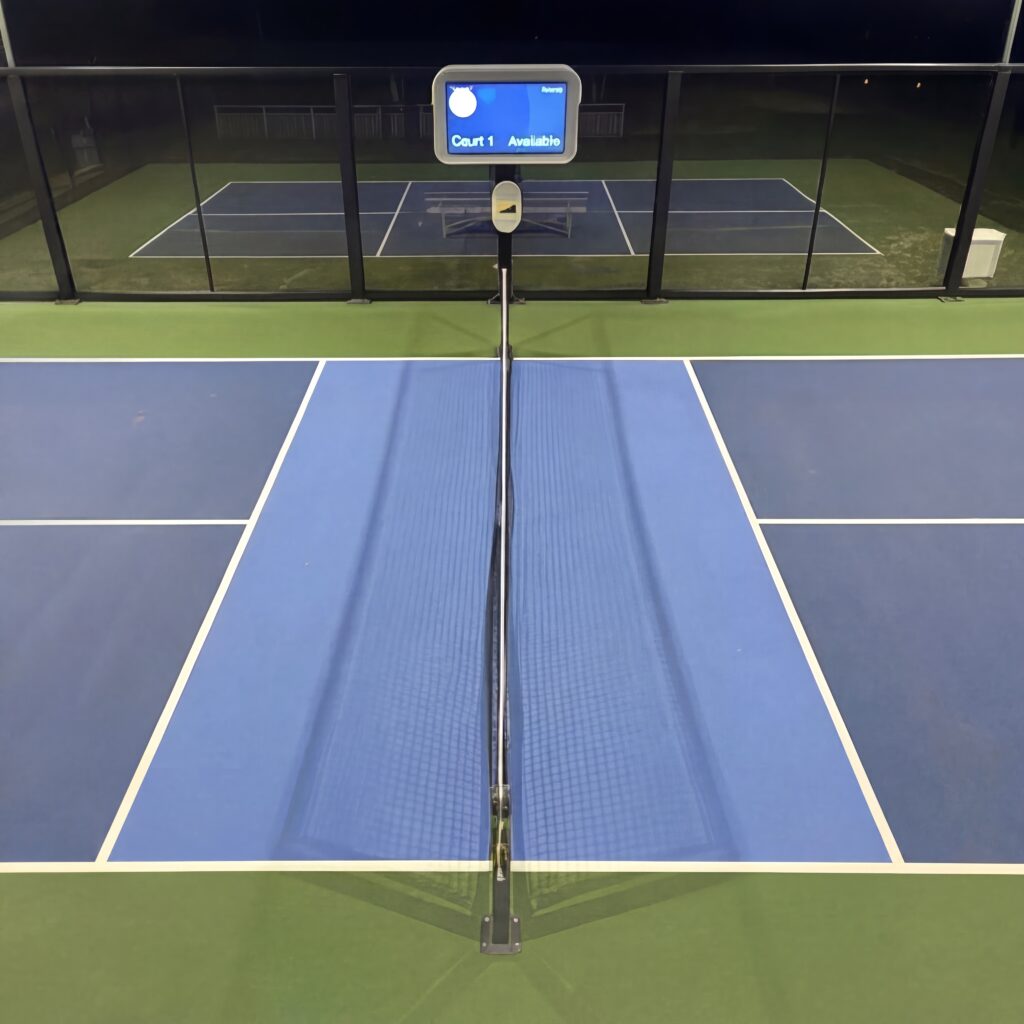
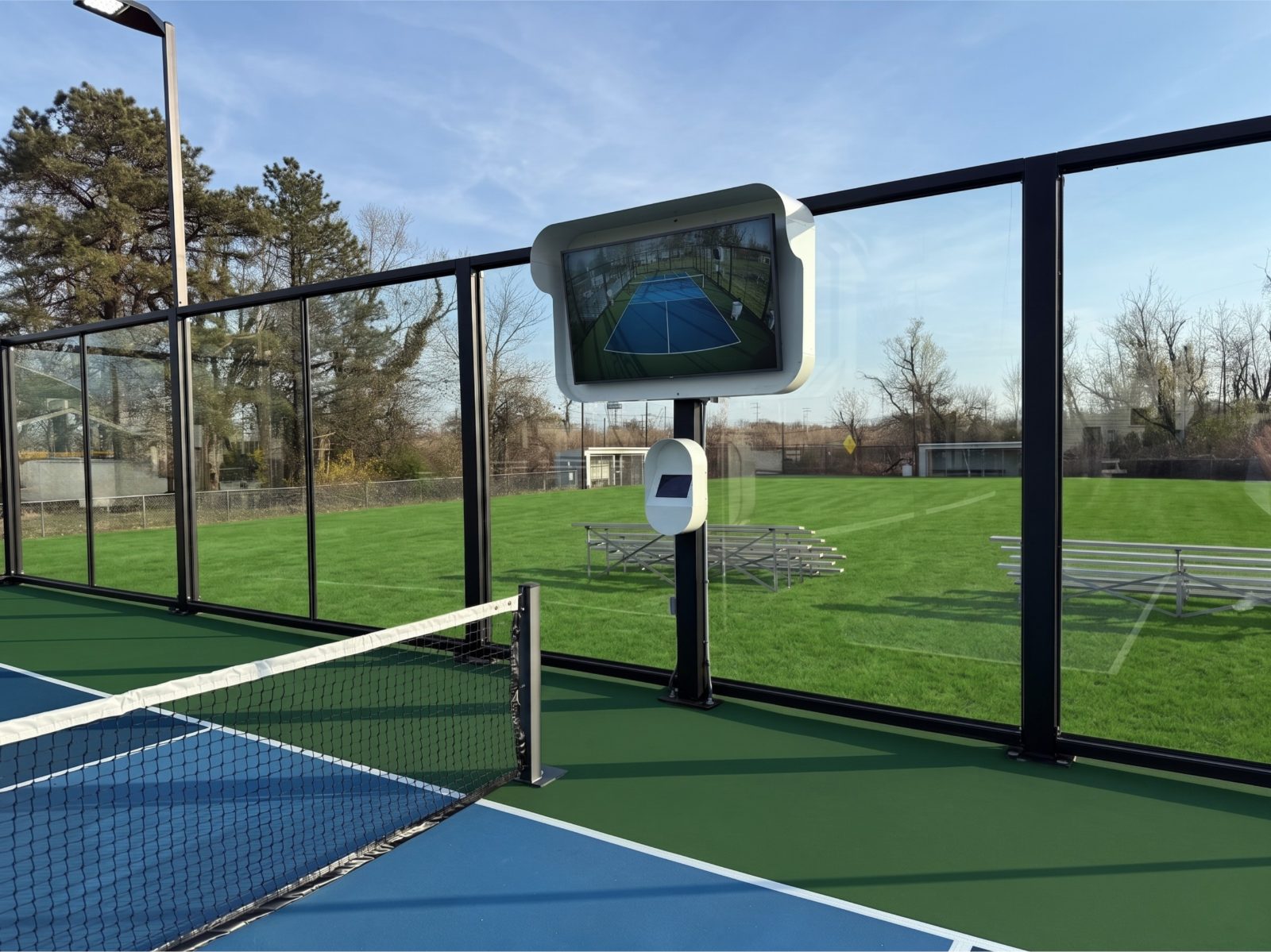
Autonomous facility operation removes that trade-off. AUTONOMOUS, PICKLETILE’s facility operating system powered by PodPlay, handles access control, booking-linked door entry, security monitoring, and court management without on-site staff. Members reserve a court, receive access credentials, and let themselves in; the facility runs on software rather than shift coverage.
The economics work from both directions at once:
- Costs fall. Unstaffed or lean-staffed operation converts the largest controllable operating expense into a fixed software and hardware cost that does not grow with operating hours.
- Revenue grows. When staffing no longer caps the schedule, a facility can sell early-morning, late-night, and even 24/7 court time. Those marginal hours cost little beyond utilities to keep open, so the revenue they produce flows almost entirely to margin.
This is why the autonomous model pairs so naturally with indoor facilities: climate-controlled courts are sellable around the clock, and automated access is what makes selling them around the clock practical. A 6-court indoor club that extends from 14 staffed hours to 24 autonomous hours adds sellable inventory without adding headcount, and off-peak demand from shift workers, early risers, and late-night leagues fills hours that were previously dark. Several of the fastest-growing club formats in the country are built on exactly this model.
Autonomous operation also changes the membership proposition. Around-the-clock access is a premium members will pay for, which supports higher dues and better retention, the recurring revenue that smooths the whole model.
What actually drives profitability
Beyond the raw math, a handful of factors separate facilities that pay back from those that struggle:
- Location and demand. Population density, income, competition, and the local pickleball base. A facility in an underserved, high-demand market fills faster.
- Court count. Enough courts to host leagues, tournaments, and simultaneous programming create economies of scale that a two-court operation cannot match. Multi-court facilities spread fixed costs and unlock event revenue.
- Programming depth. The operators who profit run their courts like a schedule, not a parking lot. Full daytime hours are the difference between good and marginal returns.
- Hours of play, and the ability to protect them. This is where infrastructure quietly decides economics. Noise is the most common reason communities restrict pickleball hours or block facilities outright, and restricted hours are lost revenue. Effective acoustic design keeps courts in good standing with neighbors and permitting bodies, which protects the hours a facility is allowed to sell. Our guide on how to reduce pickleball noise covers the approaches that make this work.
The risks to weigh
No facility is a sure thing. Overbuilding into a saturated market, underestimating operating costs (especially indoor utilities), thin programming that leaves daytime courts empty, and permitting or noise disputes that cap hours are the common ways the numbers disappoint. Each is manageable with honest underwriting and a plan built around utilization rather than hope.
Infrastructure as the foundation of the return
Profitability ultimately rests on how many quality hours a facility can sell, year after year, and that is a function of the courts themselves. Surfaces that play true and last, enclosures and acoustics that keep courts open and welcome in their community, lighting that extends the day, autonomous access that lets those hours be sold without adding payroll, and a build engineered to a standard rather than to a price all translate directly into sellable hours and a longer asset life. A facility planned as a system, and maintained as one, protects both the revenue line and the investment behind it. That is the lens worth carrying into the decision: not what a court costs to build, but what it earns and preserves across its life. The planning side of that decision is covered in pickleball facility planning.
Frequently asked questions
Are pickleball courts profitable?
They can be. Multi-court facilities with strong utilization, layered revenue (rental, memberships, programming, and food and beverage), and disciplined operating costs often run at a healthy margin. Profitability comes from filling court hours, not from the sport’s popularity alone.
How much revenue can a pickleball court generate?
It depends on court count, hours of operation, price per hour, and utilization. Programming and events earn more per court hour than open rental, so facilities that fill weekday daytime hours substantially outperform those that rely on peak evenings and weekends.
Is an indoor or outdoor pickleball facility more profitable?
Outdoor courts cost less to build and operate but face weather and daylight limits. Indoor courts cost more and carry climate-control overhead but sell reliable year-round hours, which supports memberships and programming. Many operators blend both.
What are the main costs of running a pickleball facility?
Upfront build cost, then ongoing operating costs (staffing, utilities, insurance, marketing, booking software, property) and maintenance, including periodic resurfacing. Indoor utilities and deferred maintenance are the costs most often underestimated.
How long does it take a pickleball facility to pay back?
Payback varies widely with market, model, build cost, and utilization, so any single number would mislead. The disciplined approach is to model realistic utilization, stress-test the downside, and treat strong programming as the lever that shortens the timeline.
Does noise affect pickleball court profitability?
Yes, indirectly but materially. Noise complaints are a leading reason communities restrict playing hours or deny permits, and restricted hours are lost revenue. Effective acoustic design protects the hours a facility is allowed to sell.
Can a pickleball facility operate without staff?
Yes. Autonomous facility systems such as AUTONOMOUS handle booking-linked access control, security monitoring, and court management without a front desk, letting facilities run unstaffed or lean-staffed and sell early, late, or 24/7 court time. For indoor clubs, this both cuts the largest controllable operating cost and expands sellable hours, which is why unstaffed and hybrid models are among the fastest-growing formats.
