
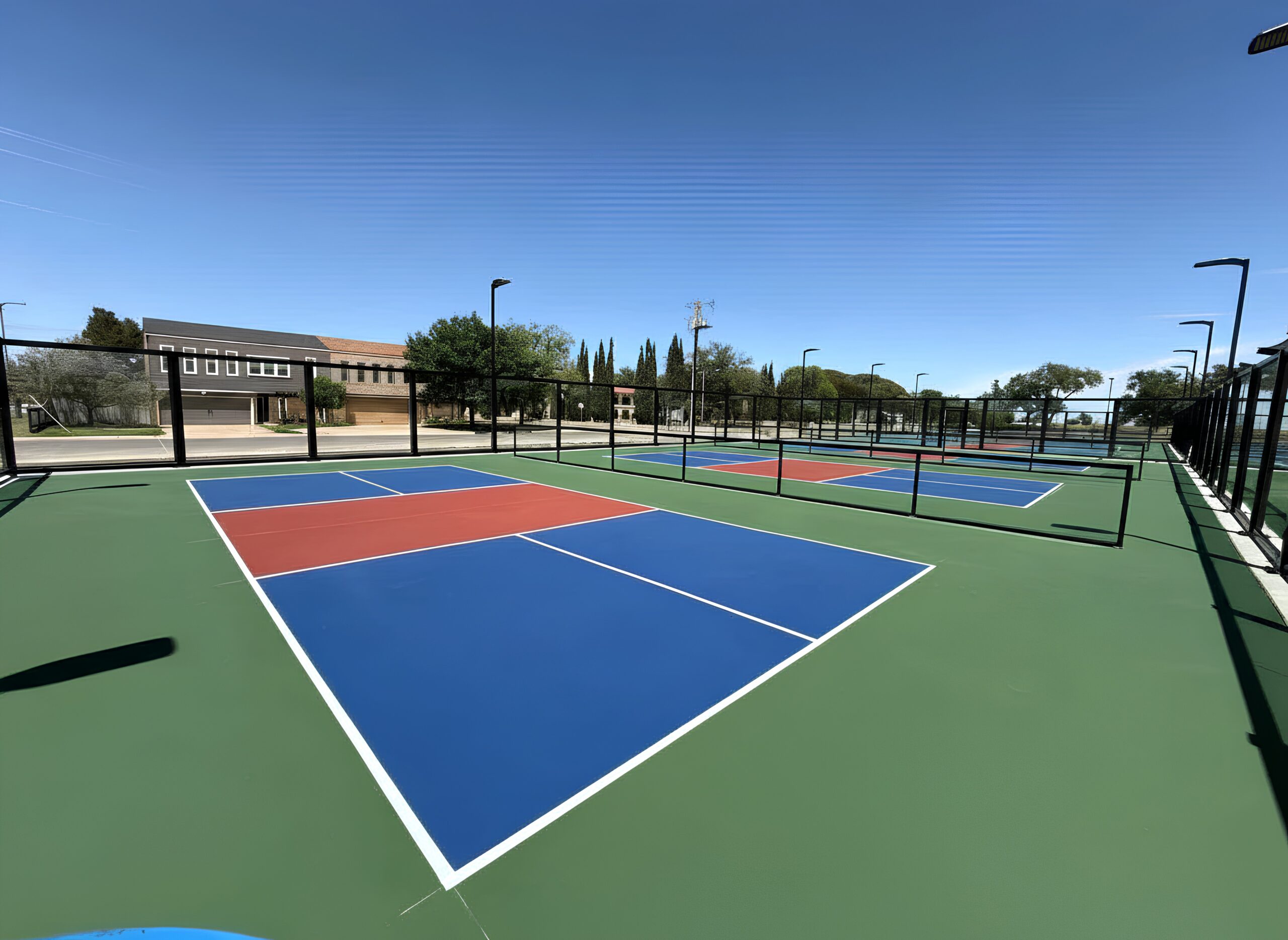
What PE-stamped engineering, pre-build acoustic modeling, and documented installation standards look like from a real court infrastructure partner.
AUSTIN, Texas – June 6, 2026 – Court infrastructure on multifamily projects has a coordination problem. The amenity scope is typically handed off to a general contractor, who subs it to a specialty installer, who may or may not carry PE-stamped engineering, may or may not have a documented installation process, and may or may not still be reachable if something fails in year three.
The developers who end up with the smoothest projects and the fewest post-occupancy headaches are the ones who set clear expectations before the scope is awarded. They know what documentation to require, what engineering standards to specify, and what accountability structure to build into the engagement.
This article is written primarily for the Director of Construction and Project Manager who own the court scope on a multifamily project. But the accountability question at the end also matters to the Principal/Owner who is signing off on the capital.

What the documentation package should look like
A court infrastructure partner working at a premium tier on a multifamily project should produce a specific documentation package as part of the engagement. If a vendor cannot provide these, that is information worth having before you award the scope.
PE-stamped structural engineering drawings. The enclosure system is a permanent structure. It will go through permitting. It will be reviewed by a plan checker. In many jurisdictions, particularly in Texas, Florida, and California, structural glass enclosures require engineer-of-record documentation to receive a permit. A vendor who cannot produce PE-stamped drawings is not set up to deliver the project through a standard permit process without creating delays.
PICKLETILE™ produces PE-stamped engineering documents as a standard deliverable on every PICKLEGLASS™ project. These are not available on request for an additional fee. They are built into the delivery model.
Detailed shop drawings in 3D. Shop drawings translate the engineering design into the exact dimensions, connection details, and component specifications that the installation team executes from. A project that goes to installation without reviewed shop drawings is a project that generates field improvisation, which is the primary source of quality deviation and rework.
The shop drawing review phase is also the right time for the Director of Construction to confirm that the court scope integrates cleanly with the surrounding site work, particularly the slab specification, electrical conduit routing, and perimeter drainage.
Material and finish specifications with warranty documentation. The finish on a powder-coated steel frame in a coastal Florida environment will not perform the same as a standard commercial powder coat. Architectural-grade coatings certified to AAMA 2604/2605 standards are a different product than a standard coating, and the difference shows up in the facility’s condition in year five. Know what finish standard your partner is installing and get the warranty terms in writing.
PICKLEGLASS™ frames carry a 10-year no-rust guarantee and use architectural-grade super-durable polyester powder coat as the standard finish. EnduroShield polysiloxane coating is applied to all glass panels, reducing maintenance requirements and protecting the glass surface over time.
Compliance documentation. The enclosure system should carry documentation for the code standards it is built to: IBC, ANSI Z97.1 safety glazing, CPSC 16 CFR 1201, and the relevant ASTM standards for structural performance and corrosion resistance. This documentation belongs in the project file. It is also what you produce if a question about the installation comes up during a future property sale or refinancing.
What the engineering process should look like
The difference between a vendor who installs courts and a partner who engineers infrastructure systems is visible in how they approach the pre-construction phase.
A qualified court infrastructure partner should be doing site-specific engineering, not applying a template. A slab specification that works in Colorado does not necessarily work in coastal Florida. A wind load calculation appropriate for a protected interior site is not appropriate for a Gulf Coast project. These are engineering decisions, not field preferences.
PICKLETILE’s process involves a dedicated consultation phase where the engineering team reviews site requirements in full before producing any drawings. Foundation options (post-tensioned concrete slab, ring beam, spot footings) are specified for the project environment, not selected from a default menu.
For the Director of Construction, this means the court scope arrives on your site with documentation that reflects the actual conditions of the project, not a one-size-fits-all standard detail.

What the installation process should look like
Installation by certified teams with a standardized process is not just a quality control measure. It is a schedule protection measure.
The most common source of construction schedule slippage on court scopes is a fragmented delivery model: a GC managing a surface subcontractor, a fencing subcontractor, a lighting subcontractor, and an access control vendor who were never required to coordinate with each other during design. The conflicts surface in the field. They cost time and money, and they rarely have a clean resolution without someone absorbing cost.
PICKLETILE™ operates as an integrated infrastructure partner. Design, engineering, and installation are delivered under one entity. The access control, lighting, and enclosure systems are engineered to work together and are installed by teams that know how they integrate. The coordination burden on your GC and PM is substantially lower than managing a fragmented scope.
Total project timeline from initial engagement to installation completion runs approximately 12 to 17 weeks under standard conditions. The design and engineering phases run in the first several weeks. Fabrication and installation follow. The schedule is predictable because the process is standardized.

The accountability question for the Principal/Owner
For the principal evaluating a court infrastructure investment, the accountability question is simple: who is responsible if something fails, and what do they have the capacity to do about it?
A specialty installer who subcontracted the scope from a GC and carries a limited warranty on labor has a different accountability profile than an infrastructure partner with PE-stamped engineering, a 10-year structural warranty, and a documented process for warranty resolution.
The infrastructure partner is the right answer for a multifamily asset you intend to hold. The accountability structure of the relationship reflects the quality of the installation, and both are visible in the documentation package before you sign anything.
If you want to see what PICKLETILE’s documentation package and delivery model look like for your specific project, a scoping conversation is the right next step. Request a quote and we will walk you through it.
If you’re vetting partners for a current or upcoming court scope, the documentation conversation is worth having early. Request a quote and we’ll show you what our standard package looks like.
About PICKLETILE™
PICKLETILE™ is the leading design-build firm for premium pickleball court construction and the Official Court Builder of USA Pickleball.
Headquartered in Austin, Texas, PICKLETILE™ simplifies the complex construction process by offering turnkey solutions for residential, commercial, and club-level projects. The company is also the creator of PICKLEGLASS™, a patented soundproof glass wall system engineered to reduce noise by 50% while offering panoramic views and wind protection. For more information, visit www.pickletile.com.
