
The one-question pattern that turns “almost ready” into “let’s go” — usually two questions, one from each side.
AUSTIN, Texas – May 8, 2026 – Here’s a pattern we’ve observed across dozens of club court projects. The estimate has been reviewed. The scope direction is right. The investment range is within the club’s capital capacity. The project makes sense. But the scope hasn’t been confirmed.
When we ask what’s holding things up, the answer is almost never “the whole thing.” It’s almost always one specific thing — and at clubs where two people are involved in the decision, it’s frequently two specific things, one from each side, neither of which has been said out loud yet.
What we hear from each side
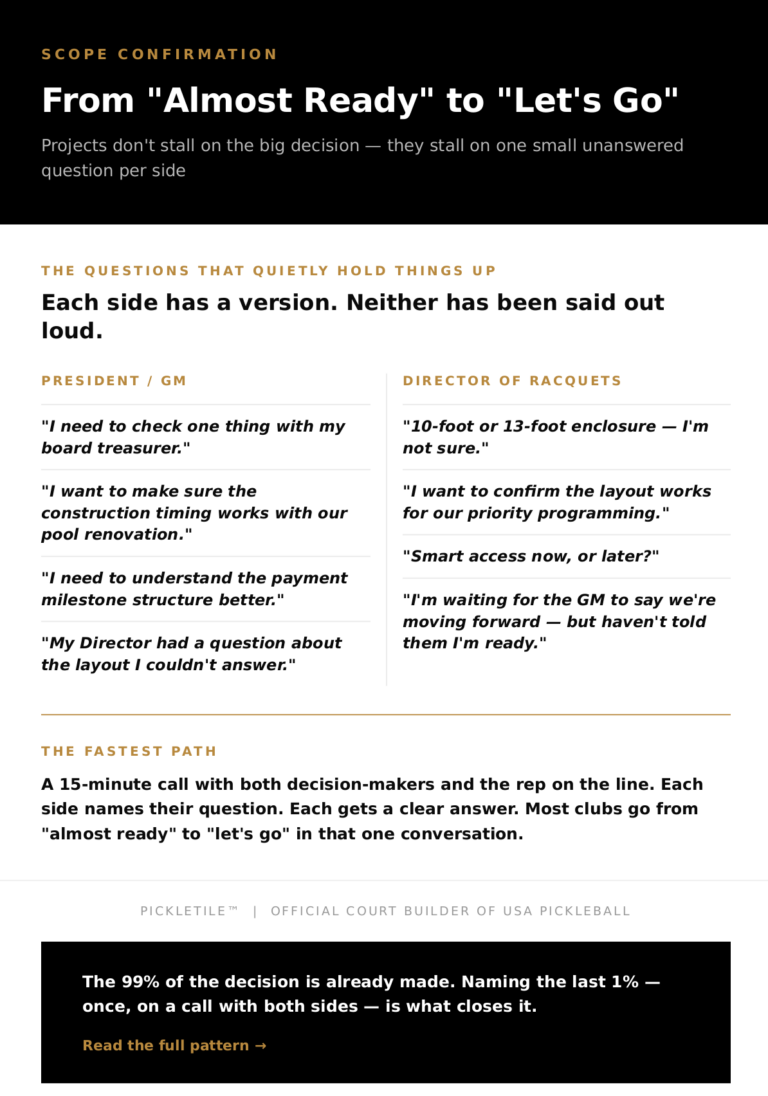
From the President or GM, the lingering questions tend to sound like this:
- “I need to check one thing with my board treasurer.”
- “I want to make sure the construction timing works with our pool renovation schedule.”
- “I need to understand the payment milestone structure a little better before I commit.”
- “I’m waiting to see whether we have any pushback from the finance committee.”
- “My Director of Racquets had a question about the layout that I couldn’t answer.”
From the Director of Racquets, the lingering questions tend to sound like this:
- “I’m not sure whether we should do 10-foot or 13-foot enclosure.”
- “I want to confirm the layout works for our highest-priority programming.”
- “I’m not 100% sure whether we should include the smart access system now or add it later.”
- “I want one more conversation about the surfacing options before I commit.”
- “I’m waiting for the GM to tell me we’re moving forward, but I haven’t actually told the GM I’m ready on my end.”
Each of these is a single question with a clear answer. None of them is the kind of issue that should hold up a six-figure decision for weeks. But when the question sits on a task list — competing with everything else the GM and the Director are running — it never quite reaches the top of the priority stack. And when the GM and the Director each have their own version of the question without realizing the other is also waiting, the project goes from “almost ready” to “stuck at almost ready” without anyone deciding to stall.
The pattern that makes this stick
The reason this is so common at the final step isn’t because the project is hard. It’s because the GM and the Director are usually communicating about the project asynchronously — emails, hallway conversations, “let me think about that and get back to you.” Each side has a version of “I’m almost ready, but…” that they haven’t fully articulated, even to each other. The GM is waiting for one piece of clarity. The Director is waiting for a different piece. Neither has surfaced the specific blocker explicitly, so neither has been resolved.
When we get on a call with both the GM and the Director together, the pattern almost always becomes visible in the first few minutes. The GM names their question. The Director names theirs. Sometimes the questions are connected — the Director’s layout concern is the source of the GM’s hesitation, or the GM’s timing concern is what the Director was waiting for clarity on. Sometimes they’re independent. Either way, both questions get a clear answer in the same conversation, and the next step becomes obvious.

The fastest path through the last questions
Rather than trying to resolve the remaining questions independently, most clubs find that a 15-minute call with both decision-makers and the rep on the line resolves them faster than another week of back-and-forth.
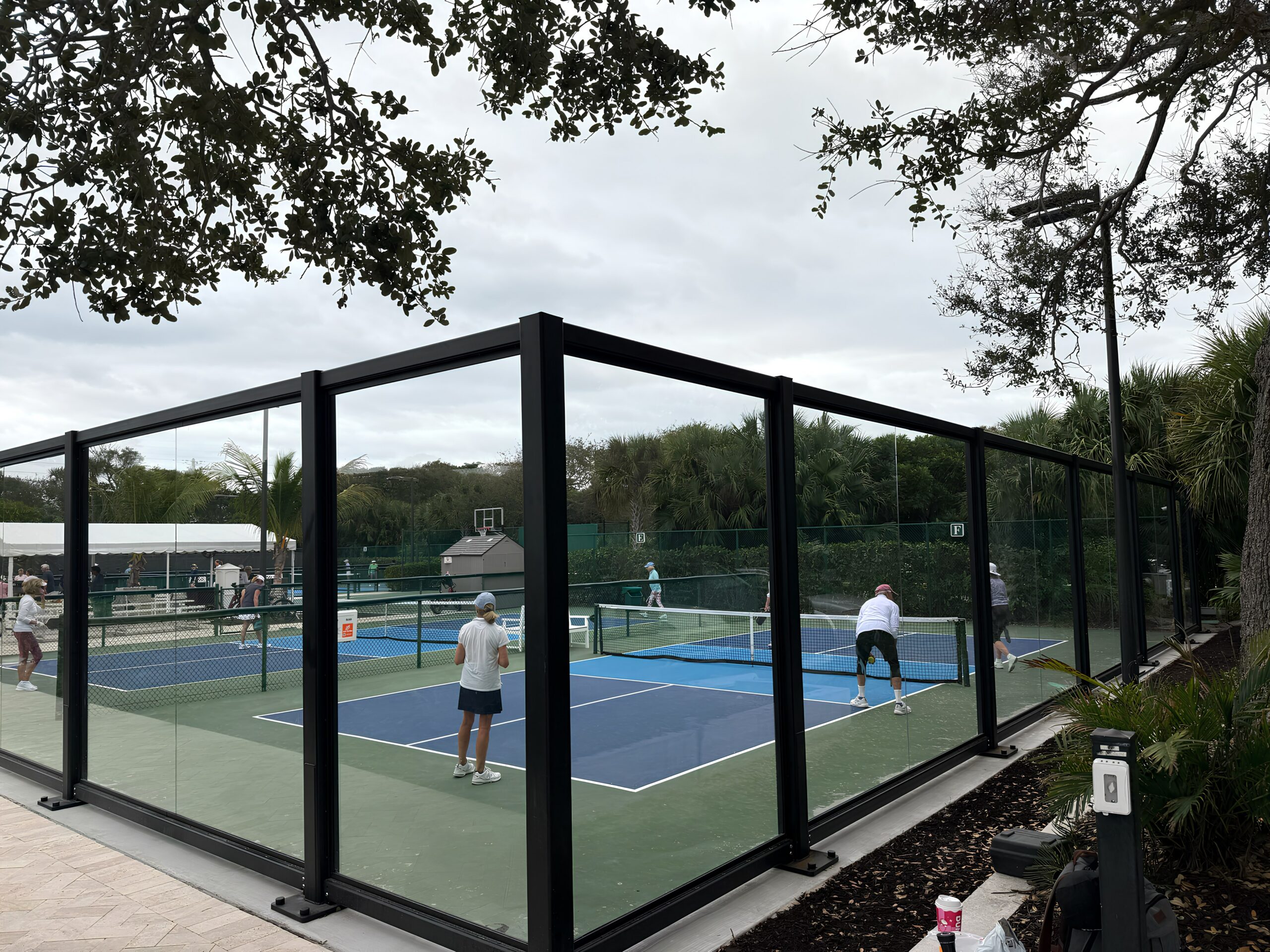
If the question is about enclosure height: a five-minute conversation about the site’s proximity to residential properties and the acoustic data at each height resolves it definitively. The Director’s view on visual openness and the GM’s view on member-relations risk usually point at the same answer once the data is on the table.
If the question is about construction timing: a quick overlay of the construction timeline against the club’s calendar identifies the right window in minutes. The Director knows the programming calendar; the GM knows the broader club calendar; together with the rep, the off-season window becomes obvious.
If the question is about the payment structure: the milestone schedule (50% production deposit, 20% at mobilization, 20% at shipping, 10% at turnover) can be walked through in a few minutes, and adjustments can be discussed if the timing doesn’t align with the club’s budget cycle or the board treasurer’s expectations.
If the question is about a layout or programming detail: the Director’s concern usually has a specific answer that the design phase will resolve definitively, but the rep can confirm whether the current scope can accommodate the Director’s intent or whether a small adjustment is needed before scope confirmation.
If the question is about whether to include an add-on now or later: the cost differential between including it in the original scope versus adding it after construction is straightforward to walk through. Some items are genuine Phase 2 candidates (smart access, additional courts on a slab built for expansion). Others are foundation-dependent and have to be Phase 1 (conduit, anchor bolt placement). The distinction is usually clear once both sides hear it together.
If the question is about a technical detail neither side can answer: the rep can answer it on the spot or get the answer from the engineering team within 24 hours. The clubs that wait three weeks to “research” a question that the rep could answer in an email are usually the ones that didn’t ask the rep yet.
The principle
Projects don’t stall because the overall decision is wrong. They stall because one small question on each side doesn’t get answered, and those questions hold up everything behind them.
If there’s a specific question standing between where the club is now and scope confirmation, the most efficient way to resolve it is to name it and address it directly. Not through another round of internal discussion. Not through another week of thinking about it. Through a focused conversation where the question — or both questions, one from each side — gets a clear answer.
The clubs that move from “almost ready” to “let’s go” in a single conversation are the ones where the GM and the Director come to the call having said to each other, “Here’s what I need to clear before I’m ready.” The clubs that stay at “almost ready” for another month are the ones where each side is still working their question independently.
If there’s one specific thing holding up scope confirmation on your end — or one thing on each side that hasn’t been surfaced yet — we’d like to help resolve it. Tell us the questions, by email or on a quick call with both the GM and the Director on the line, and we’ll get you the answers. If anything requires engineering input, we’ll have it within 24 hours. The goal is to clear the one or two remaining items so the 99% of the decision that’s already made can finally move forward.
About PICKLETILE™
PICKLETILE™ is the leading design-build firm for premium pickleball court construction and the Official Court Builder of USA Pickleball.
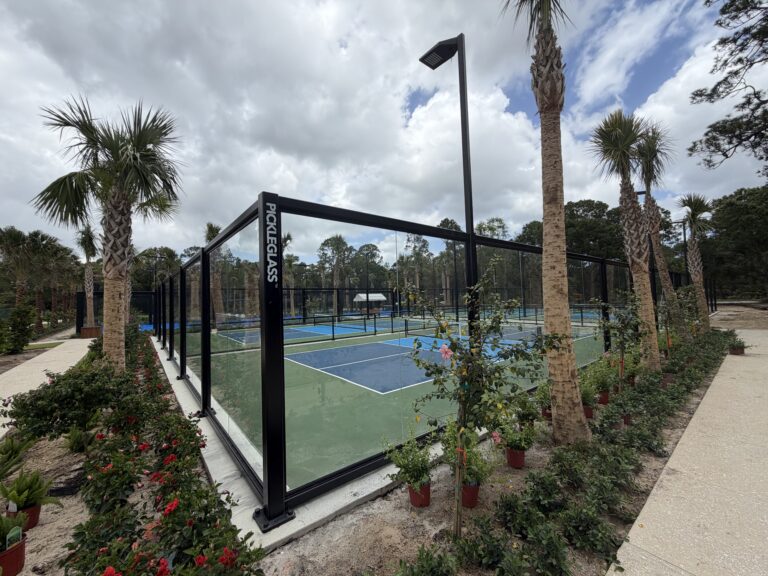
Headquartered in Austin, Texas, PICKLETILE™ simplifies the complex construction process by offering turnkey solutions for residential, commercial, and club-level projects. The company is also the creator of PICKLEGLASS™, a patented soundproof glass wall system engineered to reduce noise by 50% while offering panoramic views and wind protection. For more information, visit www.pickletile.com.
